 Save
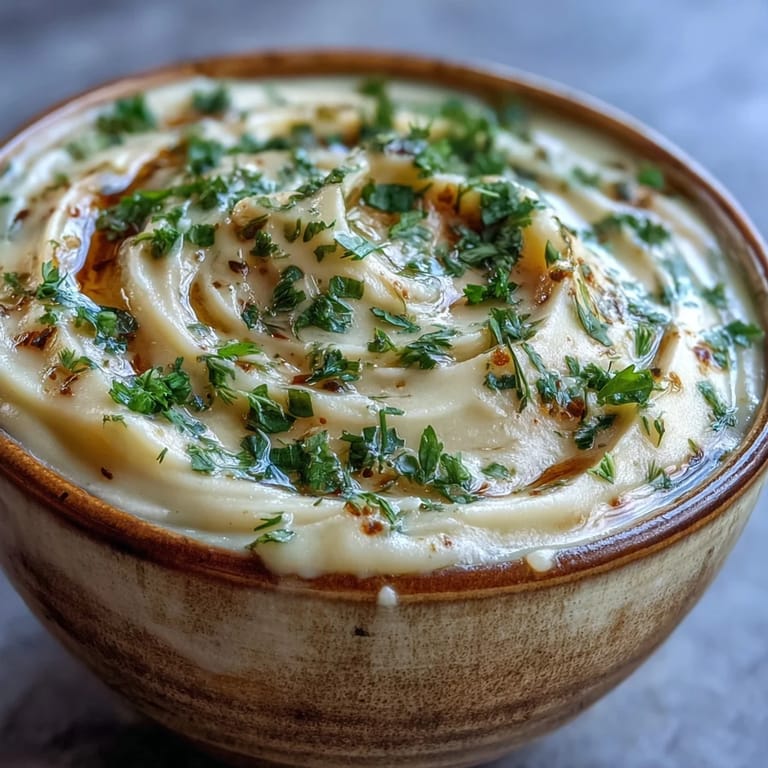
Save There's something about the smell of parsnips roasting that catches you off guard—sweet and almost caramel-like, nothing like the earthy root vegetable sitting raw on your counter. I stumbled onto this soup on a grey afternoon when my farmer's market haul included more parsnips than I knew what to do with, and a friend casually mentioned she'd never had them roasted before. That single batch changed everything, and now it's the soup I make when I want something that feels both luxurious and honest.
I made this for my mum on a Sunday in early autumn when she was feeling under the weather, and she ate three bowls without saying much, which is how I knew it was working. The kitchen smelled so good while it simmered that my partner kept wandering in asking when dinner was, even though it was only lunch time. Sometimes food is just about wrapping someone in warmth, and this soup does exactly that.
Ingredients
- Parsnips (800 g, peeled and cut into 2 cm chunks): The star of the show—roasting them first caramelizes their natural sugars and gives the soup depth that boiling alone never achieves.
- Onion (1 medium, diced): A classic aromatic base that softens into the background, building savory foundation without overpowering the delicate parsnip flavor.
- Garlic (2 cloves, minced): Just enough to whisper in the background; too much and it bullies the subtle sweetness you're after.
- Potato (1 medium, peeled and diced): Acts as a natural thickener and adds creamy texture without needing as much cream, keeping things balanced.
- Celery (1 stalk, sliced): Often overlooked, but it brings brightness and a slight mineral note that lifts the whole soup.
- Olive oil (2 tbsp total): Use a fruity one if you have it; good oil matters when there aren't many ingredients to hide behind.
- Vegetable stock (1 L): The quality here really shows—a homemade or premium stock will make you notice the difference immediately.
- Sea salt and freshly ground black pepper: Season in layers as you go, not all at the end, so flavors develop properly.
- Double cream or crème fraîche (100 ml, optional): A swirl of this at the end lifts everything, but honest truth—the soup is wonderful even without it if you're dairy-free.
- Fresh herbs (parsley, chives, dill, tarragon): These aren't garnish here; they're the final note that makes people say, 'What is that flavor?'
Tired of Takeout? 🥡
Get 10 meals you can make faster than delivery arrives. Seriously.
One email. No spam. Unsubscribe anytime.
Instructions
- Start your oven and prep the parsnips:
- Heat your oven to 200°C and while it's warming, toss your parsnip chunks with a tablespoon of olive oil and a pinch of salt. Spread them on a baking tray in a single layer so they'll caramelize, not steam.
- Roast until golden and yielding:
- This takes 25 to 30 minutes—you'll know they're ready when the edges are deep golden and a fork slides through easily. Turn them halfway so they brown evenly; this is where the magic happens.
- Build your flavor base:
- While the parsnips roast, heat the remaining olive oil in a large saucepan over medium heat. Add your diced onion, minced garlic, sliced celery, and diced potato, letting them soften together for 5 to 7 minutes until they're tender but still pale.
- Bring everything together:
- Tip the roasted parsnips into the pan with the softened vegetables, pour in your vegetable stock, and bring it all to a boil. Once it's bubbling, turn the heat down to a gentle simmer and let it cook for another 10 to 15 minutes until every vegetable is completely soft and willing to blend.
- Blend until silky:
- Remove the pan from heat and use a stick blender to puree everything until it's smooth and velvety—or carefully transfer to a countertop blender in batches if that's what you have. A stick blender is honestly easier and means less washing up.
- Finish with cream and herbs:
- Stir in the cream or crème fraîche if using, then taste and adjust your salt and pepper. Reheat gently if needed, then ladle into bowls and crown each one with a generous handful of fresh herbs.
 Save
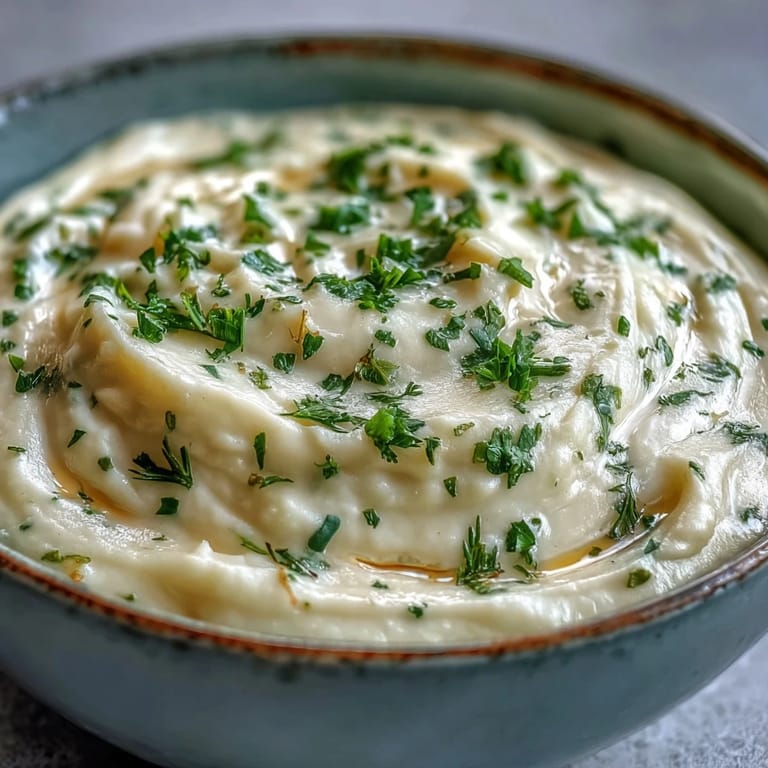
Save There was a moment, about three spoonfuls in, when a friend who usually avoids soup suddenly paused and said, 'This doesn't taste like it's supposed to taste,' and what she meant was that it tasted sophisticated, like it had been treated with respect. That's when I realized this soup had become something I'd make for people I wanted to impress, not just something quick on a weeknight.
The Magic of Roasting Root Vegetables
Roasting isn't just a cooking method—it's a flavor multiplier. When parsnips hit dry heat, their natural sugars caramelize and concentrate, creating sweetness and depth that boiling never touches. I've made this soup both ways more times than I care to admit, and the roasted version wins every single time. The difference is so obvious that once you taste it, you'll never go back.
Texture and the Art of the Perfect Blend
A stick blender and a countertop blender give subtly different results, and I've learned to prefer the stick blender for this particular soup. There's something about the way it aerates and emulsifies that makes the texture almost silkier, with a slight creaminess even before you add dairy. If you're using a countertop blender, work in smaller batches and blend longer than you think you need to; patience here pays off in mouthfeel.
Herbs as the Final Signature
Fresh herbs aren't an afterthought—they're the sentence that finishes the story. Parsley brings freshness, chives add a subtle onion whisper, dill gives unexpected brightness, and tarragon brings something almost floral. You don't need all of them; even just parsley and chives will transform a spoonful from 'nice' to 'memorable.'
- Chop your herbs just before serving so they stay vibrant and don't oxidize into something dull.
- If fresh herbs aren't available, a squeeze of lemon juice does similar work, waking up the soup with acidity.
- Toast some seeds—pumpkin or sunflower—and scatter them on top for texture if you want something a little more substantial.
 Save
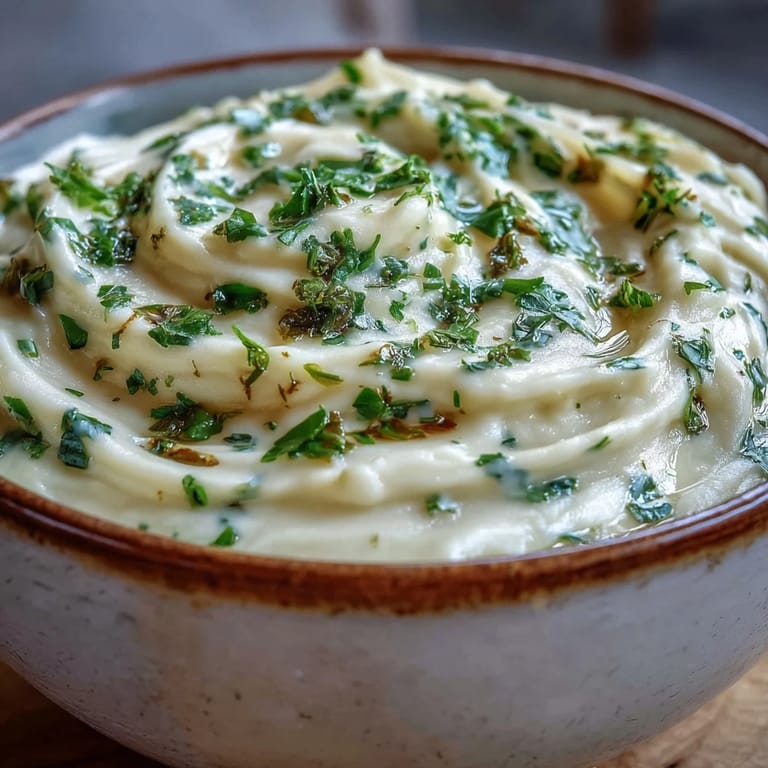
Save This is the soup I reach for when I want to feel like I'm taking care of myself or someone I love, without any fuss or pretense. It's proof that the simplest ingredients, treated with a little attention, can become something truly worth sitting down to eat.
Questions & Answers
- → Can I make this dairy-free?
Absolutely. Simply substitute the double cream with coconut cream, cashew cream, or your preferred plant-based alternative. The result remains just as velvety and satisfying.
- → Why roast the parsnips first?
Roasting caramelizes the natural sugars in parsnips, creating deeper flavor and sweetness that boiling alone cannot achieve. This extra step transforms the final result into something truly exceptional.
- → Can I freeze this for later?
Yes, this freezes beautifully. Allow it to cool completely, then store in airtight containers for up to three months. Thaw overnight in the refrigerator and reheat gently, adding a splash of liquid if needed.
- → Which herbs work best?
Parsley and chives provide classic flavor, while dill and tarragon add sophisticated notes. Feel free to experiment with thyme, rosemary, or coriander based on your preference and what's available.
- → How do I achieve the smoothest texture?
Blend thoroughly with a stick blender or countertop model. For ultimate silkiness, pass through a fine-mesh sieve after blending. The potato helps create creamy body without requiring excessive dairy.
- → What can I serve alongside?
Crusty bread, toasted sourdough, or savory focaccia make excellent accompaniments. For added protein, consider pairing with a hard-boiled egg or sprinkle with toasted pumpkin seeds for crunch.