 Save
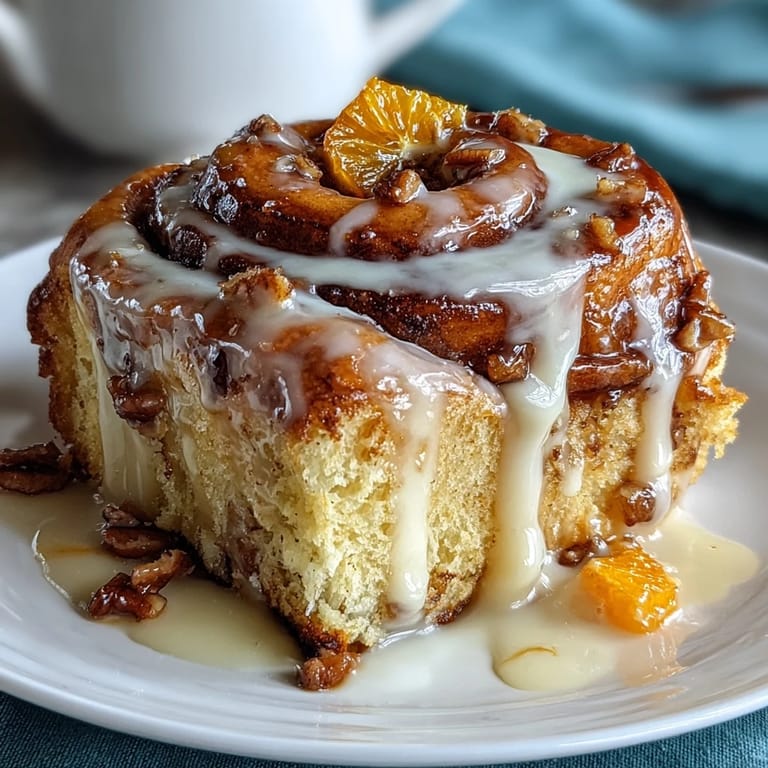
Save There's something about the smell of orange zest hitting warm milk that makes you stop whatever you're doing. I was standing in my kitchen on a lazy Sunday morning, watching the steam rise from a mixing bowl, when it hit me—why had nobody told me that cinnamon rolls could taste like sunshine? These soft orange rolls happened almost by accident, born from a moment when I had too many oranges on the counter and a craving for something that felt both comforting and alive.
I made these for a brunch gathering last spring, and I'll never forget watching my neighbor take her first bite—she literally closed her eyes. That moment told me everything I needed to know about this recipe. It's the kind of dish that makes people feel cared for, like you spent hours fussing when really, the dough does most of the work while you're reading the paper.
Ingredients
- All-purpose flour (3 1/4 cups): This is your foundation—it needs to be fresh and stored somewhere cool, because old flour can turn your dough sluggish and dull.
- Active dry yeast (2 1/4 teaspoons): Check that expiration date; yeast loses its oomph faster than you'd think, and there's nothing worse than dough that just won't rise.
- Orange juice and zest (from about 3 large oranges total): Use oranges that feel heavy for their size—they're juicier and more flavorful, and the zest should smell bright and peppery when you scrape it.
- Whole milk (1/2 cup): Warmth matters here; if the milk is too hot it'll kill the yeast, too cold and nothing happens, so aim for that Goldilocks temperature around 110°F.
- Unsalted butter (6 tablespoons total): Keep it soft for the filling and melted for the dough—cold butter won't spread evenly and defeats the purpose of a tender crumb.
- Eggs (2 large): Room temperature eggs blend into the dough smoothly and help create that signature soft, pillowy texture.
- Granulated sugar (1/2 cup for filling): When you mix this with the orange zest, you're essentially making an infused sugar that releases the oils and flavors in ways plain sugar never could.
- Cream cheese (4 ounces): Softened cream cheese makes frosting that tastes luxurious without being heavy—the tang is crucial for balancing the sweetness.
- Powdered sugar (1 1/4 cups): Sift it if it's lumpy; lumps in frosting feel gritty and disappointing on rolls that deserve better.
Tired of Takeout? 🥡
Get 10 meals you can make faster than delivery arrives. Seriously.
One email. No spam. Unsubscribe anytime.
Instructions
- Wake up your yeast:
- Pour warm milk and orange juice into a bowl with the sugar and yeast, then step away for a few minutes. You're looking for it to get foamy on top—that's the yeast coming to life and promising you will rise.
- Build the dough:
- Stir in the melted butter, zest, eggs, and salt, then gradually add flour while mixing. You want a soft, slightly sticky dough that feels alive under your hands—knead it for 8 to 10 minutes, adding a pinch more flour only if it's truly falling apart.
- Give it time to breathe:
- Place your dough in a greased bowl, cover it loosely, and let it rise in a warm spot for about an hour. You'll know it's ready when it's roughly doubled—don't rush this, because this is where all the flavor develops.
- Make the orange sugar:
- Combine the filling sugar with orange zest in a small bowl and let it sit for a minute so the oils release and perfume the sugar. This step is small but critical—it's what makes the filling taste like actual orange and not just sweetness.
- Roll and fill:
- Punch down your risen dough and roll it into a rectangle on a floured surface, spread the softened butter evenly across, and scatter that orange sugar over the top. Starting from the long side, roll it up tight like you're tucking it in for bed, and use dental floss or a sharp knife to cut it into twelve rolls.
- Final rise:
- Arrange your rolls in a greased baking dish, cover them, and let them puff up for 30 to 40 minutes. They should look pillowy and slightly touching—that's when you know they're ready.
- Bake until golden:
- Pop them into a 350°F oven for 22 to 25 minutes, watching for that deep golden-brown color that means the edges are set but the centers are still tender. The kitchen will smell incredible by minute fifteen.
- Frost while warm:
- While the rolls are baking, beat together softened cream cheese and butter until smooth, then add powdered sugar, orange juice, zest, vanilla, and a pinch of salt. Spread this generously over the warm rolls straight out of the oven so it melts slightly into all the nooks and crevices.
 Save
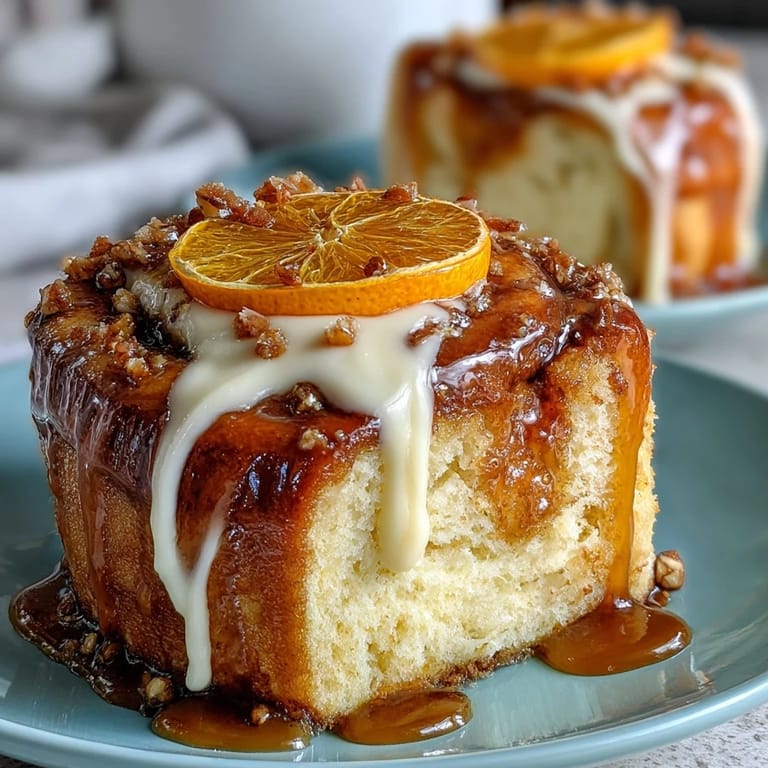
Save There was this moment during that spring brunch when someone asked for the recipe, and instead of handing them a printout, we ended up talking for twenty minutes about how the house smelled while they were rising. That's when I realized these rolls had become something more than breakfast—they were the reason people stayed longer at the table.
The Magic of Fresh Citrus
Fresh orange zest is completely different from bottled, and once you taste the difference it becomes impossible to go back. The oils in fresh zest are volatile and bright, while bottled zest has been sitting around losing its personality. If you're going to make one change to this recipe, make sure it's buying whole oranges and zesting them yourself—it takes maybe two extra minutes and transforms everything.
Make-Ahead Magic
These rolls are forgiving in the best possible way, and preparing them the night before is one of those kitchen secrets that feels like cheating. Shape them as directed, cover the baking dish loosely with plastic wrap, and refrigerate overnight; in the morning, let them come to room temperature while the oven preheats, and they'll bake up just as fluffy and fragrant as if you'd made them fresh. It's the kind of move that lets you sleep in and still have warm rolls on the table by brunch time.
Pairing and Serving
These rolls sing when paired with something that complements their brightness—Earl Grey tea with its own subtle bergamot is perfect, or a tall glass of fresh orange juice if you want to lean fully into the citrus theme. The frosting is rich enough that these are genuinely filling, so plan for maybe one roll per person as a main component of brunch rather than as a side.
- Serve them warm: The frosting will be creamy and the rolls still steamy from the oven, which is when they're at their absolute best.
- If you're doubling the recipe: Make sure your baking dish is large enough or use two dishes, because crowding them prevents even baking.
- Leftovers keep for two days: Store them in an airtight container at room temperature, and they'll still be soft enough to enjoy, though they're honestly best on day one.
 Save
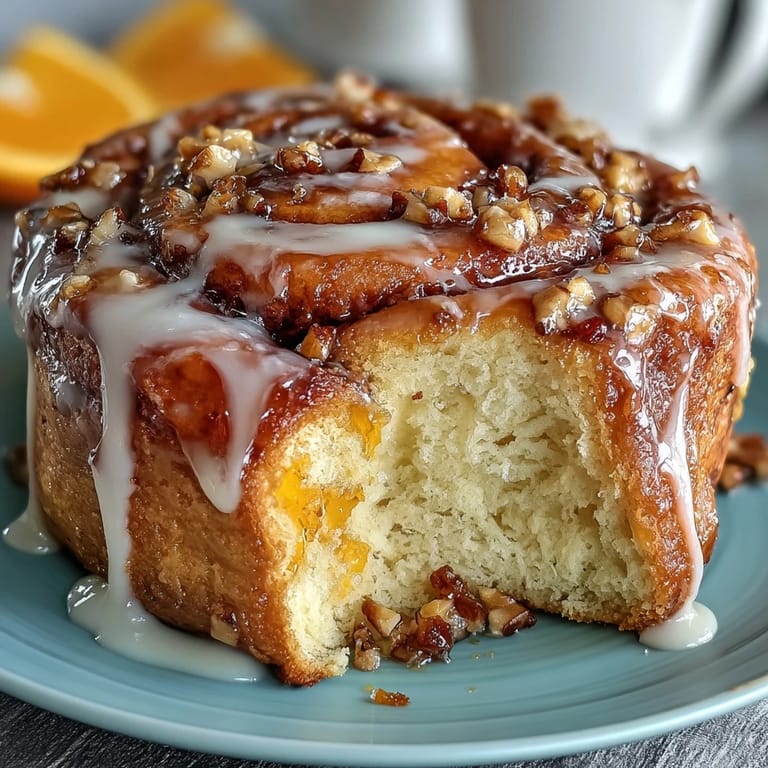
Save Making these rolls is less about following instructions perfectly and more about trusting the process and your instincts—if the dough feels right, it probably is. There's real joy in watching something rise from scratch and turn into breakfast that tastes like you spent hours planning it.
Questions & Answers
- → How do I achieve soft, fluffy rolls?
Use warm milk and fresh yeast to activate the dough properly, knead until smooth and elastic, and allow sufficient rising time for light texture.
- → Can I prepare the rolls ahead of time?
Yes, shape and refrigerate the rolls overnight, then let them rise at room temperature before baking for convenience.
- → What gives the filling its orange flavor?
The filling combines granulated sugar and fresh orange zest to release bright citrus oils, creating a sweet and fragrant swirl.
- → How is the frosting made creamy and flavorful?
By beating softened cream cheese and butter together, then adding powdered sugar, fresh orange juice, zest, vanilla, and a pinch of salt for balance.
- → What baking dish size is recommended?
A greased 9x13-inch (23x33 cm) dish works well to hold 12 rolls and allow even baking.