 Save
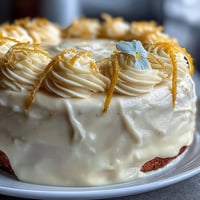
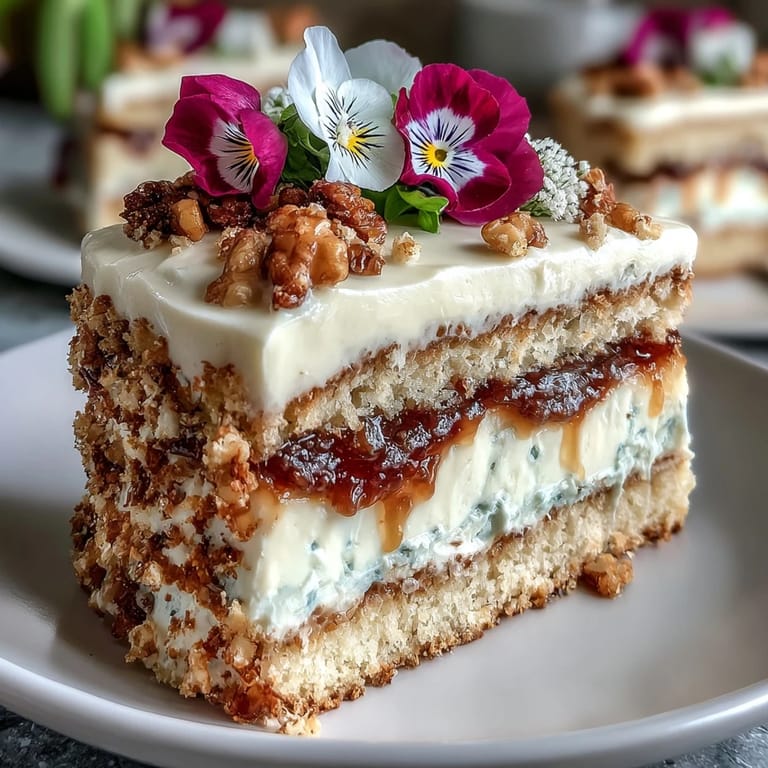
Save My neighbor brought over a box of pressed flowers one afternoon, beautiful violets and pansies she'd been saving between old books all winter long. She mentioned offhandedly that they'd be perfect on a cake, and something about that simple suggestion sparked an afternoon of baking that turned into my favorite spring tradition. There's something magical about pressing flowers into soft whipped cream, watching them settle into the frosting like tiny edible jewels catching the light. This cake became my love letter to that moment—delicate, unfussy, and somehow more elegant than any dessert I'd attempted before.
I made this for my sister's baby shower last April, and watching people's faces light up when they saw the flowers embedded in the frosting reminded me why I love cooking for gatherings. One guest asked if it tasted as delicate as it looked, and honestly, the answer was yes—the vanilla was subtle, the cream was silky, and those flower petals just whispered floral notes without overwhelming anything. It became the cake everyone photographed, the one people asked about for months afterward.
Ingredients
- All-purpose flour (2 1/2 cups): Sifting it with the baking powder and salt prevents lumps and helps the cake rise evenly—don't skip this step even though it feels fussy.
- Baking powder (2 1/2 tsp): This is what gives the cake its tender crumb and height, so make sure yours isn't stale by checking the date.
- Unsalted butter (1 cup), softened: Room temperature butter creams properly with sugar, incorporating air that makes the cake light instead of dense and heavy.
- Granulated sugar (1 3/4 cups): This sweetens the cake and helps create that fluffy texture when beaten with butter—resist the urge to rush this step.
- Eggs (4 large), at room temperature: Cold eggs won't blend smoothly and can cause the batter to break, so pull them from the fridge about an hour before you start.
- Pure vanilla extract (1 tbsp): The quality here matters more than you'd think—cheap vanilla makes the whole cake taste a bit flat and artificial.
- Whole milk (1 cup), at room temperature: Alternating flour and milk keeps the batter from becoming overmixed, which would make the cake tough and springy.
- Heavy whipping cream (2 cups), cold: Keep this in the coldest part of your fridge and use a chilled bowl for beating—warm cream won't whip properly no matter how hard you try.
- Powdered sugar (1/2 cup): This dissolves into the cream more smoothly than granulated sugar would, creating silkier frosting.
- Pressed edible flowers (1/2 to 1 cup): These must be organically grown and completely dry before pressing—any moisture will cause them to mold or lose color.
Tired of Takeout? 🥡
Get 10 meals you can make faster than delivery arrives. Seriously.
One email. No spam. Unsubscribe anytime.
Instructions
- Prepare your pans and preheat:
- Get your oven to 350°F and grease those cake pans thoroughly before lining them with parchment—this double step ensures nothing sticks. The parchment should cover the bottom and come up the sides so the cake releases cleanly once it cools.
- Combine your dry ingredients:
- Sift the flour with baking powder and salt into a bowl and set it aside. This isn't just for show—sifting aerates the flour and distributes the leavening evenly so you won't get dense pockets in your cake.
- Cream butter and sugar until fluffy:
- Beat them together for 3 to 4 minutes until the mixture is pale and light, which means you've incorporated enough air. You'll see the color shift from yellow to almost white, and the texture becomes almost fluffy—that's when you know it's ready.
- Add eggs one at a time:
- After each egg goes in, mix until it's fully incorporated before adding the next one. This gradual approach prevents the batter from looking curdled or broken.
- Stir in vanilla:
- Mix this in after all the eggs are added, just enough to distribute it through the batter evenly.
- Alternate flour and milk in three additions:
- Start with flour, then milk, then flour again, then milk, then flour to finish. Mix after each addition just until combined—overmixing develops gluten and makes the cake tough and dense instead of tender.
- Divide and smooth:
- Pour the batter evenly between your prepared pans and use a spatula to smooth the tops. Even layers bake more evenly, so take a moment to level them out.
- Bake until golden and set:
- After 30 to 35 minutes, insert a toothpick in the center—it should come out clean or with just a few crumbs, not wet batter. The cakes should smell amazing and look golden brown on top.
- Cool in pans, then on racks:
- Let them rest in the pans for 10 minutes so they firm up slightly, then turn them out onto wire racks to cool completely. This takes patience—at least an hour—but trying to frost a warm cake is a recipe for melted disaster.
- Make the whipped cream frosting:
- In a cold bowl, beat the heavy cream, powdered sugar, and vanilla until stiff peaks form—when you lift the beaters, the peaks should stand straight up. This usually takes 3 to 5 minutes with an electric mixer.
- Layer and frost:
- Place one cake layer on your serving plate, spread a generous layer of whipped cream on top, then set the second layer on top and frost all over. Work gently so you don't tear the delicate cake layers.
- Press flowers onto the frosting:
- Gently press your dried edible flowers into the frosting on the sides and top, arranging them however feels right to you. They should stick easily because the frosting is still soft and slightly sticky.
- Chill before serving:
- Refrigerate the finished cake for at least 30 minutes so the frosting sets and the flowers adhere firmly. This resting time also makes the cake easier to slice cleanly.
 Save
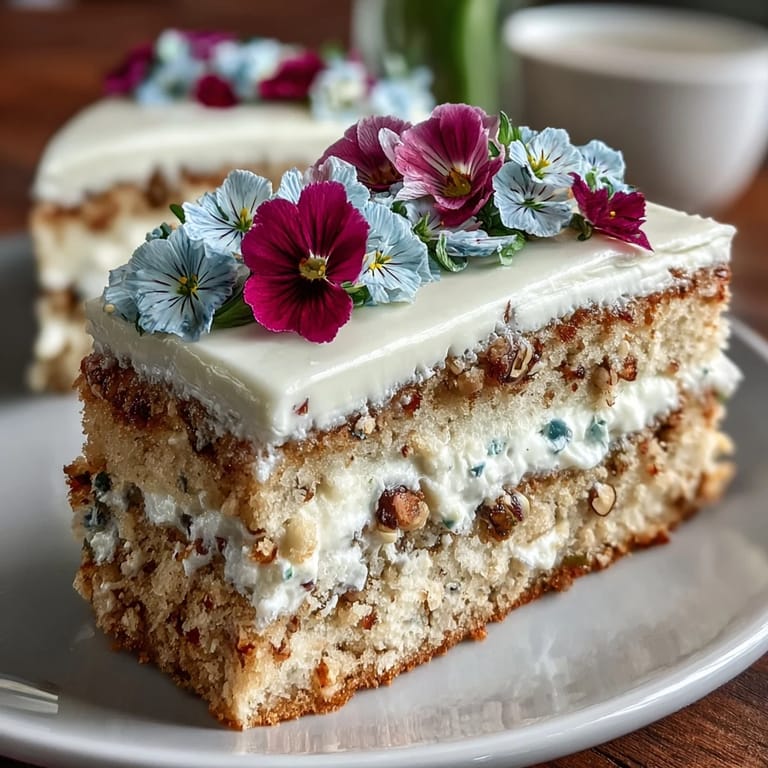
Save The real magic of this cake hit me at my friend's garden party when someone cut into it and the pressed petals caught the afternoon light streaming through the window. She'd whispered before cutting that it felt too pretty to eat, but after one bite, people stopped caring about the Instagram moment and just savored how light and elegant it tasted.
Choosing and Pressing Your Flowers
I learned the hard way that not all flowers are edible—my first attempt included a beautiful rose that turned out to be from a florist's arrangement loaded with chemicals. Now I source flowers from my own garden or trusted organic suppliers, and I start the pressing process at least a week before I plan to bake. The flowers should be picked when they're completely dry, never after rain or early morning dew, and laid out flat between layers of parchment paper weighted down by heavy books. Violets, pansies, nasturtiums, and rose petals are reliable choices that hold their color beautifully through the pressing and decorating process.
Timing and Make-Ahead Strategy
I've learned to spread this project across two days—the flowers pressed well in advance, the cake baked a full day ahead and stored in an airtight container, and the frosting whipped fresh on the day of serving. This approach takes the stress out of hosting and lets you focus on arrangement and presentation instead of rushing. The unfrosted cake actually improves overnight as the crumb sets, making it sturdier when you're layering and frosting the next day.
Flavor Variations and Pairings
While the vanilla cake is classic and lets the flowers shine, I've experimented with adding lemon zest or a whisper of almond extract to the batter when I want something with a bit more complexity. The whipped cream frosting is the perfect canvas—you could fold in a tablespoon of honey, a teaspoon of floral water like rose or lavender, or even a handful of finely crushed dried flowers for extra flavor depth. When serving, I often brew a pot of floral tea like chamomile or hibiscus, or open a crisp, barely sweet sparkling wine that won't overpower the delicate balance of the dessert.
- Add 1 to 2 teaspoons of lemon zest to the cake batter for a subtle citrus note that brightens everything.
- Brush the cooled cake layers with a light simple syrup infused with lavender or chamomile before frosting to add moisture and flavor.
- Serve the cake with a light floral tea or sparkling wine to create a complete sensory experience that honors the flowers.
 Save
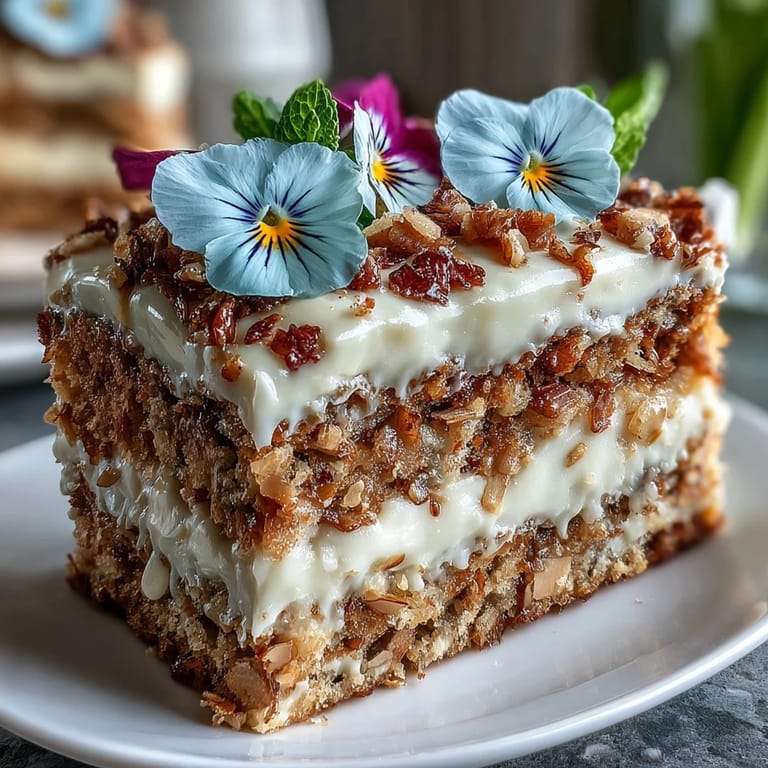
Save This cake taught me that elegance in the kitchen isn't about complexity—it's about taking time with simple, quality ingredients and letting them speak for themselves. Every time I make it, I think about my neighbor and that afternoon when a box of pressed flowers turned into something that brings people joy.
Questions & Answers
- → How do I press edible flowers properly?
Place fresh flowers between parchment paper and press under heavy books for at least 24 hours to achieve flat, dry petals ideal for decoration.
- → Can I substitute heavy cream in the frosting?
Heavy cream is recommended to achieve stiff peaks and a stable frosting texture, but you can try chilled coconut cream for a dairy-free option.
- → How should I store the cake after decorating?
Chill the decorated cake for at least 30 minutes to set the frosting and flowers. Keep refrigerated and consume within two days for best freshness.
- → What flowers are safe and best for decorating?
Use organically grown, unsprayed edible flowers such as violets, pansies, nasturtiums, rose petals, and chamomile for safe, vibrant decoration.
- → Can I add flavor variations to the cake?
Consider adding 1–2 teaspoons of lemon zest to the batter for a bright citrus note that pairs well with the floral accents.