 Save
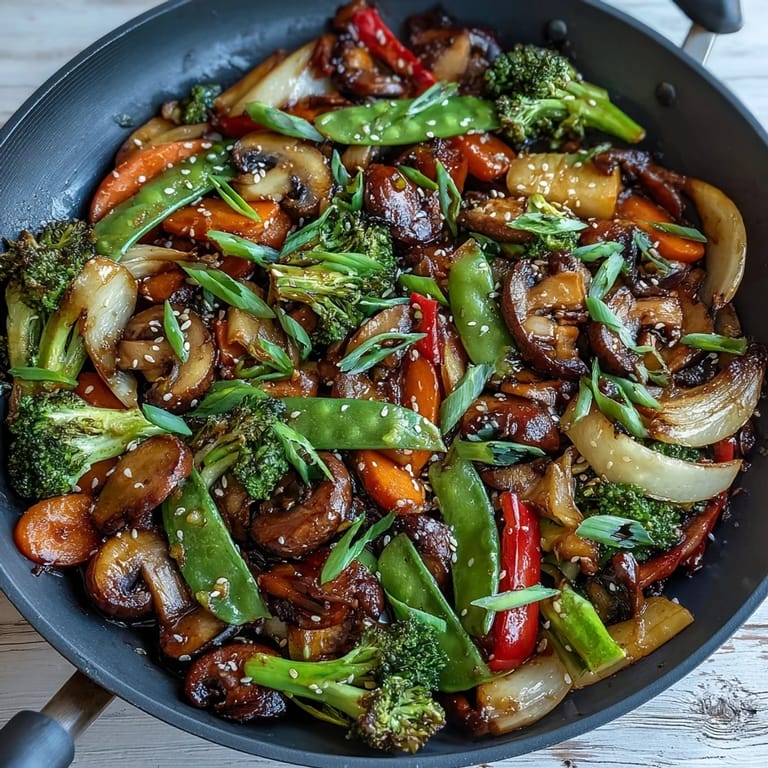
Save My kitchen filled with that unmistakable sharp-sweet smell of ginger hitting hot oil, and I realized how much I'd been missing those quick weeknight meals that actually taste like they matter. This stir-fry came together one evening when I was tired of feeling like I was just going through the motions with dinner, and something about the way the vegetables started singing in the wok reminded me that simple can be spectacular. The ginger does most of the heavy lifting here, transforming what could be an ordinary mix of vegetables into something that makes your whole mouth wake up. Now when I make it, my partner drifts into the kitchen just from smelling it, which tells you everything you need to know.
I made this for my friend who'd just started asking about eating more vegetables, and watching her surprise at how satisfying it was made me realize good food doesn't need to be complicated or pretentious. She asked for the recipe immediately, which felt like the highest compliment a cook can get. That moment stuck with me because it showed that healthy eating doesn't have to feel like punishment when you get the flavors right.
Ingredients
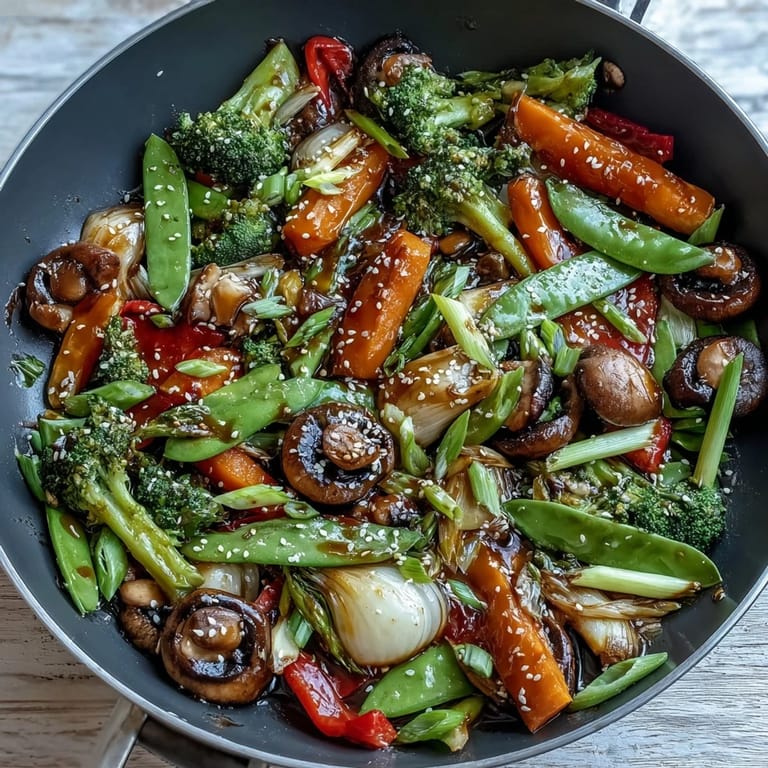
- Broccoli florets: Buy these whole and cut them yourself if you can, because the florets hold the sauce better and they stay crispier than pre-cut versions.
- Sliced carrots: Cut them on a slight bias so they cook evenly and pick up more surface area for the sauce to cling to.
- Red bell pepper: The sweetness balances the ginger beautifully, and the color makes the whole dish look alive on the plate.
- Snap peas: These stay tender-crisp if you add them near the end, which is the whole point of eating them instead of regular peas.
- Yellow onion: A thin slice matters here because thick pieces won't soften in time, and you want them to almost melt into sweetness.
- Sliced mushrooms: Any kind works, but cremini mushrooms have more flavor than button mushrooms and won't turn into rubber if you're not careful.
- Fresh ginger: This is non-negotiable—grated fresh ginger has a brightness that powdered ginger can't touch, and it's what makes this dish memorable.
- Garlic: Mince it fine so it distributes evenly instead of leaving you with occasional chunks of raw garlic that make you flinch.
- Soy sauce: Use tamari if you need it gluten-free, and don't skip it thinking you can substitute with something else, because the umami is essential.
- Sesame oil: This is the secret ingredient that makes everything taste intentional, so use the real stuff and don't cheap out here.
- Vegetable oil: Something neutral that won't smoke, so your ginger and garlic stay fragrant instead of burnt.
- Rice vinegar: A touch of acidity keeps everything from feeling heavy and brings all the flavors into focus.
- Maple syrup or honey: Just a teaspoon balances the salt and ginger so nothing tastes one-dimensional.
- Red pepper flakes: Optional, but they add a subtle warmth that catches you on the back of your throat in the best way.
- Green onions: The freshness matters at the end when everything's been heated, so don't skip this finishing touch.
- Toasted sesame seeds: Toast them yourself if you have time, because store-bought toasted seeds taste better than raw seeds you try to toast yourself.
Tired of Takeout? 🥡
Get 10 meals you can make faster than delivery arrives. Seriously.
One email. No spam. Unsubscribe anytime.
Instructions
- Make your sauce first:
- Whisk the soy sauce, rice vinegar, maple syrup, and red pepper flakes together in a small bowl and set it aside so it's ready when you need it. This takes the pressure off once the vegetables hit the pan and you're working fast.
- Get your oil ready:
- Heat the vegetable oil and sesame oil together in a large skillet or wok over medium-high heat until it shimmers and moves easily around the pan. You'll know it's ready when it's almost smoking—that's when you know it's hot enough to cook with intention.
- Wake up the aromatics:
- Add your grated ginger and minced garlic to the hot oil and stir constantly for about 30 seconds until the kitchen smells incredible and your mouth starts watering. Don't walk away here, because the difference between fragrant and burnt is about 10 seconds.
- Start with the hard vegetables:
- Toss in the onion, carrots, and broccoli and keep everything moving for 2 to 3 minutes so they start to soften but stay crisp. You want to hear them sizzle and snap in the pan, not just sit there getting limp.
- Add the quick-cooking vegetables:
- Throw in the bell pepper, snap peas, and mushrooms and stir-fry for another 3 to 4 minutes until everything looks bright and just barely tender. The whole pan should feel alive, with vegetables that have a little resistance when you bite them.
- Bring it all together:
- Pour in your prepared sauce and toss everything to coat evenly, then let it cook for another minute or two until the sauce gets a little syrupy and clings to the vegetables. This is when the magic happens—when everything tastes intentional instead of like separate ingredients.
- Finish with brightness:
- Remove from heat, scatter the green onions and toasted sesame seeds over the top, and serve immediately while everything's still hot and the vegetables still have that snap.
 Save
Save There's a specific moment when you're stir-frying where everything clicks into place, when the sizzle sounds right and the smell hits perfect, and that's when you know you're actually doing it. That moment taught me that cooking well isn't about fancy techniques or expensive ingredients, it's about paying attention to what's happening in front of you.
The Ginger Question
Fresh ginger is the entire personality of this dish, and I learned the hard way that how you prepare it matters as much as using it at all. Grating it by hand gives you a finer texture than slicing, which means it distributes evenly through the oil and you get ginger flavor in every bite instead of occasional spicy shocks. A microplane grater gets you finer ginger than a box grater, and finer means the flavor spreads like it should.
Building Flavor Layers
The sauce is where this recipe gets interesting, because it's not just about soy sauce making everything salty and dark. The rice vinegar adds brightness that keeps the ginger from being overwhelming, the maple syrup rounds out the sharp edges, and the sesame oil brings richness that makes it taste intentional instead of like you're just cooking vegetables in sauce. Each element does something specific, and when they work together, the result tastes way more sophisticated than the ingredient list would suggest.
Making It Your Own
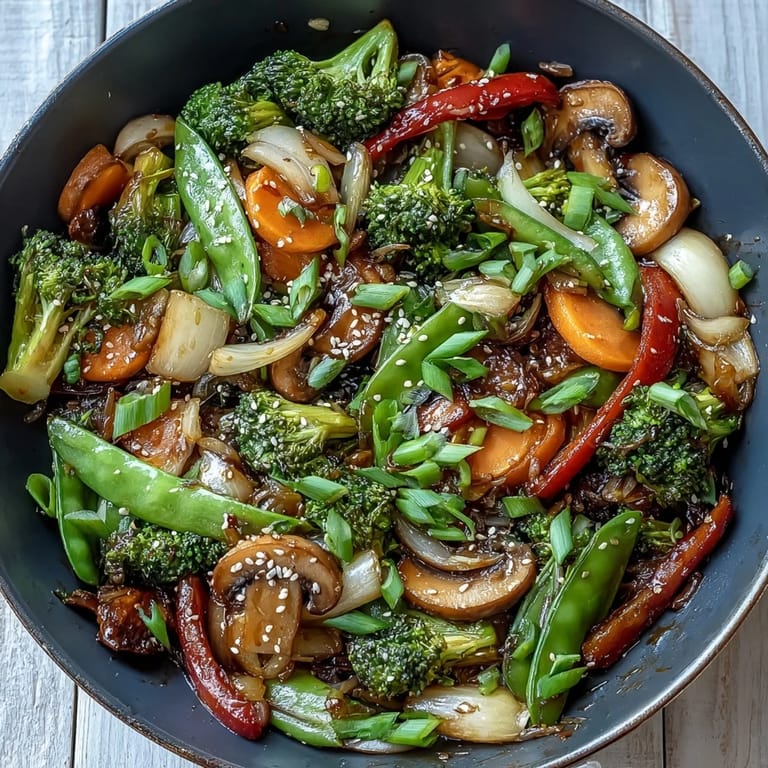
This recipe is forgiving in the best way, because the framework is solid enough that you can swap vegetables without breaking anything. The cooking method and the sauce work with almost anything crisp and colorful, so whatever's looking good at the market becomes your ingredient list. I've made this with baby bok choy, water chestnuts, green beans, zucchini, and even cauliflower, and it's been good every single time because the ginger and sesame oil keep it anchored.
- Serve it over jasmine rice if you want comfort, or over noodles if you want it more substantial.
- Add tofu, tempeh, or chickpeas if you want extra protein without changing the flavor profile.
- Keep your heat at medium-high and don't crowd the pan, because you want everything to cook through contact with the hot surface, not steam.
 Save
Save This is the kind of meal that reminds you why cooking at home matters, because you taste the care and attention in every bite. It's quick enough to make on a random weeknight but interesting enough that it feels like you made something worth eating.
Questions & Answers
- → What vegetables work best in this stir-fry?
Broccoli, carrots, bell peppers, snap peas, and mushrooms are ideal because they maintain their crisp-tender texture when cooked quickly. Feel free to substitute with other crunchy vegetables like snow peas, baby corn, or water chestnuts.
- → Can I make this gluten-free?
Yes, simply replace regular soy sauce with gluten-free tamari. All other ingredients are naturally gluten-free, making this dish easily adaptable for gluten-free diets.
- → How do I prevent vegetables from becoming soggy?
Keep the heat at medium-high and avoid overcrowding the wok. Cook vegetables in batches if needed. The high heat seals in moisture while creating a slight char, keeping vegetables crisp-tender.
- → Can I add protein to this dish?
Absolutely. Cubed tofu, tempeh, or edamame work wonderfully for plant-based protein. For non-vegetarian options, add cooked chicken, shrimp, or beef during the final minutes of cooking.
- → How should I store leftovers?
Store in an airtight container in the refrigerator for up to 3 days. Reheat gently in a skillet over medium heat, adding a splash of water if needed to refresh the sauce. Note that vegetables will soften slightly upon reheating.