 Save
Save The scent of lemon always pulls me straight into springtime, and making these cookies reminded me of the first crack of sunlight through my kitchen window after months of grey. One afternoon, I was whisking together flour and listening to mellow jazz, and the citrus aroma began to bloom—almost like a promise that winter was finally ending. That moment made the process feel lighter, even before I got to the pastel glaze. There’s something joyful about watching sugar and butter whip up into something pillowy and bright. And honestly, the kitchen never feels so friendly as when a batch of cookies is underway.
Last year, I baked these cookies for a friend’s garden tea party and realized how much a splash of color can lift everyone’s mood. We spread parchment paper across the kitchen table, each of us dipping cookies in tiny bowls of pink and blue glaze, getting giggly over uneven swirls and the occasional glaze drip onto the floor. The tray of finished cookies looked so cheerful that it set the tone for the whole afternoon. Somehow, even the quiet guests ended up laughing and reaching for seconds before the kettle was empty. That memory keeps me coming back to this recipe whenever spring needs a boost.
Ingredients
- All-purpose flour: Using fresh flour will keep the cookies tender; I always fluff it with a fork before measuring so the dough doesn’t turn stiff.
- Baking powder: Just half a teaspoon gives the cookies a soft rise without making them cakey.
- Fine sea salt: A pinch of salt sharpens the lemon flavor—skip it and the cookies taste flat.
- Unsalted butter: Softened to room temperature, the butter makes the dough silky and easy to mix, so avoid melting it entirely.
- Granulated sugar: Whipping the sugar with butter builds air and ensures every bite is sweet and delicate.
- Egg: The single egg binds everything together, and I always crack it into a cup first, just in case.
- Fresh lemon juice: Real juice brightens up each cookie; bottled never tastes as lively, so squeeze a lemon.
- Finely grated lemon zest: This is where the magic happens—rub zest with sugar for extra aroma if you want to get fancy.
- Pure vanilla extract: Adds gentle warmth, balancing the brightness of the citrus.
- Powdered sugar: Sift well for a smooth glaze—lumps can ruin the finish.
- Milk: Start with 2 tablespoons and add drops until the glaze falls in ribbons.
- Food coloring (pastel): Just a single drop goes a long way; too much and you lose the subtle spring look.
Tired of Takeout? 🥡
Get 10 meals you can make faster than delivery arrives. Seriously.
One email. No spam. Unsubscribe anytime.
Instructions
- Preheat and Prep:
- Let’s turn your oven on to 350°F and grab two baking sheets lined with parchment—the best way to avoid sticking. The kitchen instantly feels ready for a cookie adventure.
- Combine Dry Ingredients:
- In a medium bowl, whisk together flour, baking powder, and salt gently. You’ll hear the soft rustle as everything combines, promising a delicate crumb.
- Cream Butter and Sugar:
- In your biggest bowl, beat the softened butter and granulated sugar until light and fluffy—about 2 minutes. Watch as the mixture grows pale and airy, almost cloud-like.
- Add Wet Ingredients:
- Crack in the egg, pour the lemon juice, add zest and vanilla; mix until smooth and everything smells invigoratingly citrusy. Try not to sneak a taste at this point—it’s tempting.
- Mix Batter:
- Scoop the dry into the wet mixture in two or three additions, mixing gently until just combined. The dough will come together softly—avoid overworking so the cookies stay delicate.
- Shape and Flatten:
- Scoop tablespoon-sized dough balls onto the sheet, each spaced 2 inches apart. Gently flatten each one with your palm or a glass; it’s satisfying and gives uniform cookies.
- Bake and Cool:
- Ten to twelve minutes in the oven will do the trick—edges golden, tops still pale. Let them rest on the tray for five minutes before transferring to a wire rack; handling them too soon risks breaking.
- Prepare Glaze:
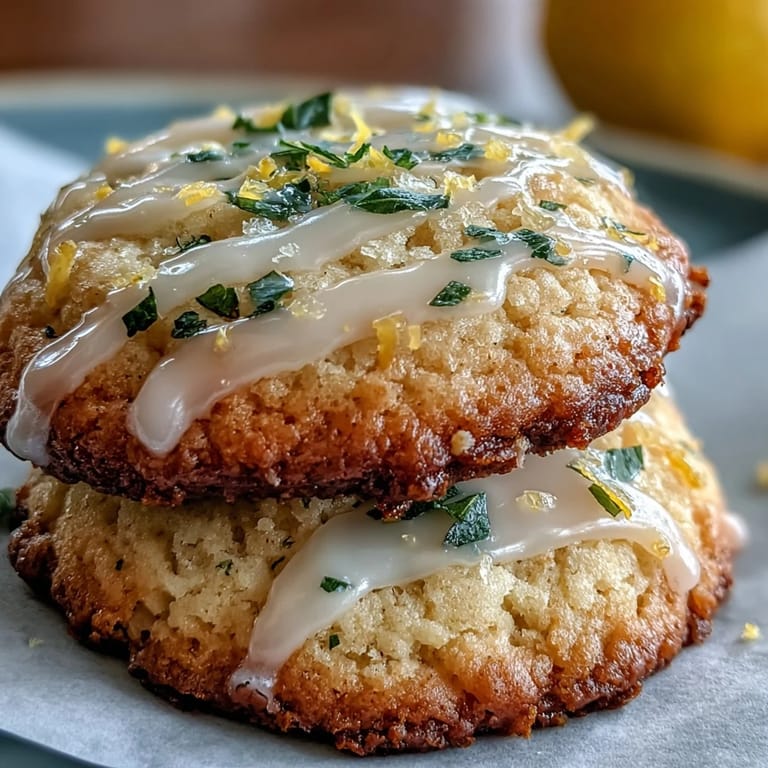
- In a bowl, whisk powdered sugar, milk, and lemon juice until smooth—adjust with more milk for a runnier glaze. It should drop from your spoon like a ribbon, not a stream.
- Color and Decorate:
- Divide glaze into bowls, tinting each with barely a drop of pastel coloring. Dip or drizzle over cooled cookies; revel in the creativity and don’t stress about perfection.
- Set Glaze:
- Let cookies rest for at least twenty minutes so glaze firms up and won’t smudge. This waiting is the perfect time to make tea or admire your handiwork.
 Save
Save One spring, my little cousin wandered into the kitchen looking for a snack but ended up helping with the glaze. Her giggles matched the colors—soft and happy—and our pastel cookies became the star of the family brunch. That day, these lemon sugar cookies became about much more than their flavors; they carried memories of laughter, little hands, and bright beginnings.
Choosing Glaze Colors Is Half the Fun
Every time I break out the food coloring for these cookies, the kitchen turns into an art studio. Don’t worry if the first batch isn’t perfectly swirled—the beauty is in the playful experimenting. Mixing a drop here, a swirl there, makes each cookie unique. In the end, the combination of gentle pastel shades looks like a basket of Easter eggs and feels just as festive.
Mastering Lemon Flavor
I quickly learned that fresh lemon juice and zest are everything here. Using bottled juice never gives that sharp, sunny note, and zest brings fragrance that clings. If I want extra zing, a drop of lemon extract helps, but too much can overpower things. The key is balancing tart with sweet so you taste spring in every bite.
Keeping Cookies Perfectly Soft
For soft cookies that don’t dry out, I always store them in an airtight container with a slice of bread—it keeps moisture locked in. Avoid stacking before the glaze sets or they’ll stick, and let them cool completely on the rack before handling. If you’re making these ahead, they freeze well unglazed so you can freshen the look right before serving.
- If the dough feels too sticky, a quick chill in the fridge helps.
- You can use edible flowers or pastel sprinkles for a pretty finish.
- Don’t forget to taste the glaze before coloring to check sweetness.
 Save
Save These cookies always bring a lighthearted spark to any table. Hoping your kitchen fills with warmth and a little bit of spring joy, bite by bite.
Questions & Answers
- → How do you achieve a pastel glaze?
Combine powdered sugar, milk, and lemon juice; tint with a drop of pastel food coloring for gentle hues.
- → Can I enhance the lemon flavor?
Add extra lemon zest or a bit of lemon extract to both dough and glaze for a stronger citrus note.
- → What's the best way to decorate?
Top glazed cookies with pastel sprinkles or edible flowers for a festive, seasonal look.
- → How should these cookies be stored?
Keep them in an airtight container at room temperature for up to four days to preserve freshness.
- → Are there any allergen concerns?
These cookies contain wheat, egg, and dairy; always check ingredient labels for allergen information.
- → Can I use different citrus?
Try substituting lime or orange juice and zest for a unique citrus twist in the flavor and glaze.