 Save
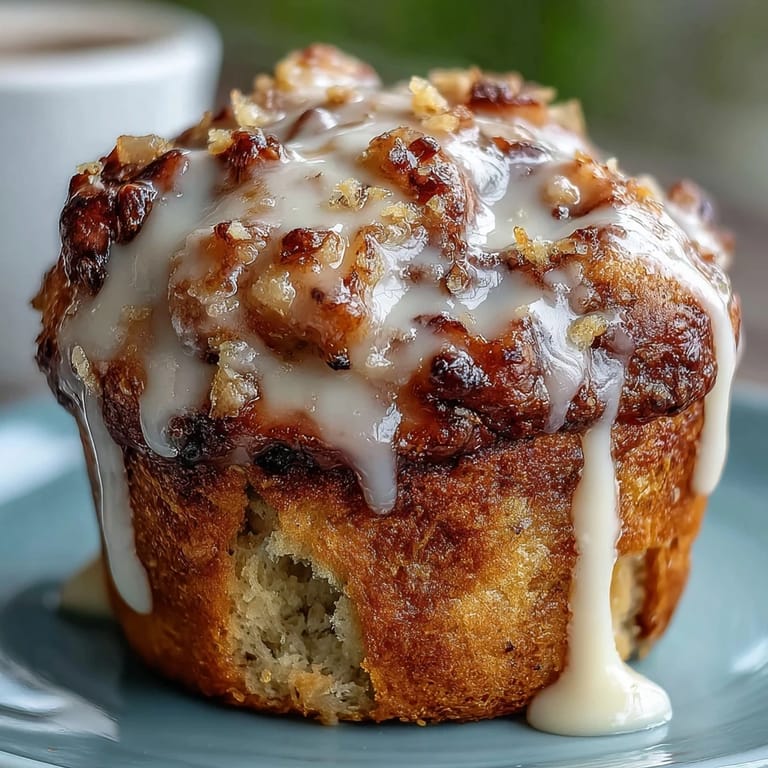
Save My neighbor handed me a warm lemon poppy seed muffin through her kitchen window one April morning, still steaming from the oven, and I understood immediately why she'd been so secretive about her recipe. The crumb was impossibly tender, the poppy seeds catching little pockets of brightness, and that glaze—sharp and glossy—made me close my eyes mid-bite. I've since made these dozens of times, often doubling the batch because they vanish faster than I can frost them.
I made these for a brunch party once, nervous about timing everything right, and ended up pulling them from the oven just as guests arrived. The smell alone had people gravitating toward the kitchen, and I learned that day that sometimes the most impressive thing you can serve is something warm and unrushed, meant to be eaten standing up with a napkin.
Ingredients
- All-purpose flour (2 cups): The foundation—measure by spooning and leveling for accuracy, as scooping directly can pack it down and throw off your ratio.
- Granulated sugar (3/4 cup): This balances the tartness of the lemon and keeps the crumb tender; don't skip it for a sugar substitute without testing first.
- Poppy seeds (2 tbsp): These tiny specks add visual charm and a subtle nuttiness; buy them fresh if possible, as they can turn stale sitting in a cabinet.
- Baking powder and baking soda (1 1/2 tsp and 1/2 tsp): The dynamic duo that makes these rise without heaviness; check expiration dates because old leavening agents are the silent killer of fluffy muffins.
- Salt (1/2 tsp): A small amount that actually enhances the lemon flavor rather than making things salty.
- Eggs (2 large, room temperature): Room temperature eggs blend more smoothly into the batter; cold ones tend to create lumps that don't fully incorporate.
- Whole milk or buttermilk (3/4 cup): Buttermilk adds a subtle tang that brightens the lemon, but whole milk works beautifully too.
- Unsalted butter, melted (1/2 cup): Melted butter creates a more tender crumb than creamed butter; let it cool slightly so it doesn't cook your eggs.
- Fresh lemon juice (1/4 cup): Freshly squeezed is non-negotiable here; bottled juice lacks the brightness this recipe depends on.
- Lemon zest (2 lemons): Zest before juicing the lemon, and use a microplane for the finest texture that distributes evenly throughout.
- Vanilla extract (1 tsp): A quiet background note that rounds out the flavor without announcing itself.
- Powdered sugar (1 cup): For the glaze; sift it if it's lumpy so your glaze stays silky.
- Fresh lemon juice for glaze (2–3 tbsp): Add slowly to control consistency—you want thick but pourable, like honey.
Tired of Takeout? 🥡
Get 10 meals you can make faster than delivery arrives. Seriously.
One email. No spam. Unsubscribe anytime.
Instructions
- Heat and prepare:
- Preheat your oven to 375°F and line your muffin tin with paper liners; this prevents sticking and makes cleanup nearly effortless. If you forgot liners, a light grease works too, though you'll lose some of those caramelized edges.
- Build your dry base:
- Whisk together flour, sugar, poppy seeds, baking powder, baking soda, and salt in a large bowl, making sure the leavening agents are evenly distributed so every muffin rises uniformly. This step takes barely a minute but matters more than you'd think.
- Combine the wet mixture:
- In a separate bowl, whisk eggs, milk, melted butter, lemon juice, zest, and vanilla until they look completely unified and pale. Take your time here; the emulsion matters.
- Bring it together gently:
- Pour the wet ingredients into the dry ones and stir with a spatula just until the flour disappears—this is where restraint becomes your superpower. Overmixing develops gluten, which turns muffins dense and tough; you want a slightly lumpy batter.
- Fill and portion:
- Divide the batter evenly among your muffin cups, filling each about three-quarters full so they rise into little domes without spilling over. A cookie scoop makes this foolproof.
- Bake to golden:
- Slide them into the oven for 16 to 18 minutes; you're looking for a toothpick to come out clean and the tops to feel springy when you gently press them. Your oven might be a few degrees off, so start checking at 16 minutes.
- Cool with patience:
- Let them sit in the pan for 5 minutes—this sets the structure—then transfer to a wire rack to cool completely before glazing. Rushing this step causes the glaze to melt right off.
- Make the glaze:
- Whisk powdered sugar and lemon juice together slowly, adding juice a tablespoon at a time until you reach that perfect pourable consistency. A thinner glaze drips beautifully; a thicker one sits in glossy pools.
- Finish and serve:
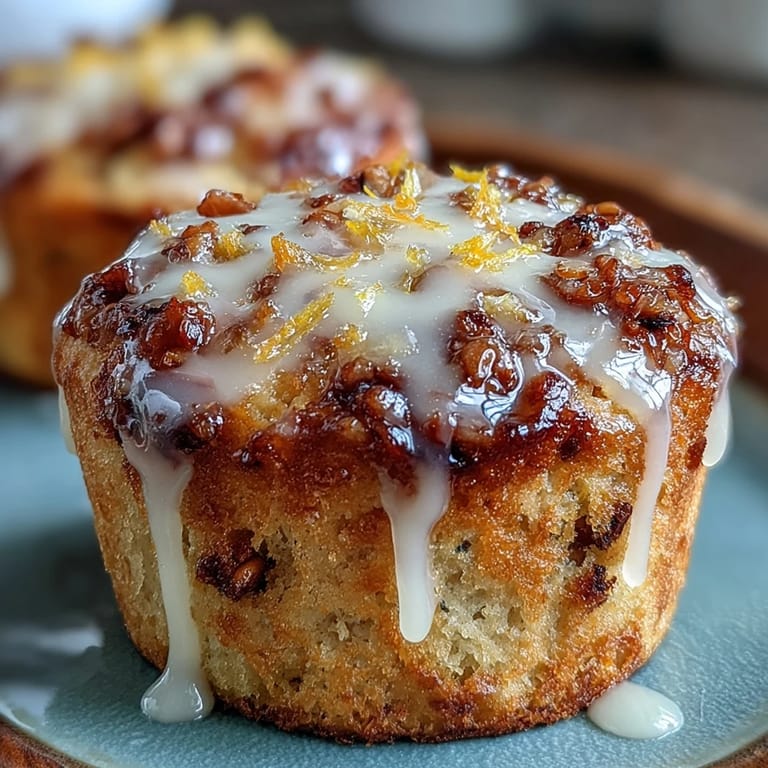
- Drizzle the glaze over completely cooled muffins and let it set for 10 minutes so it firms up slightly. This is when they transform from good to absolutely worth bragging about.
 Save
Save I once brought a batch of these to a friend who was going through a rough week, and she later told me she'd eaten one cold straight from the container at midnight and it made her cry—the good kind of cry. That's when I realized these aren't just muffins; they're little edible moments of care, bright and lemony and thoughtful.
Choosing Your Lemons
Not all lemons are created equal, and this recipe rewards you for picking good ones. Heavy lemons for their size indicate more juice; thin-skinned ones yield more zest per lemon. If you can find Meyer lemons in spring, they're less acidic and floral, but standard Lisbon or Eureka lemons deliver that classic bright punch this recipe needs.
Making Them Your Own
These muffins are a canvas if you want them to be. I've swapped half the butter for Greek yogurt to lighten things on mornings when I wanted something less rich, and the results were still tender and delicious. Some bakers add a tablespoon of poppy seeds instead of two for a subtler crunch, while others triple the zest for an almost overwhelming lemon intensity that some people actually prefer.
Storage and Serving Secrets
These keep beautifully at room temperature in an airtight container for two days, though honestly they rarely last that long in my house. They're best eaten the day they're made, when the crumb is most tender and the glaze still has that fresh sheen, but I've also frozen them successfully for up to a month—just thaw at room temperature and they taste almost as good as fresh.
- Pair them with Earl Grey tea, sparkling mimosas, or strong black coffee for the perfect brunch companion.
- Wrap individual muffins in parchment and tie with twine if you're gifting them; they look thoughtful and taste even better knowing someone made them for you.
- Toast a day-old muffin for 30 seconds and it tastes freshly baked again, making these a smart make-ahead option for busy mornings.
 Save
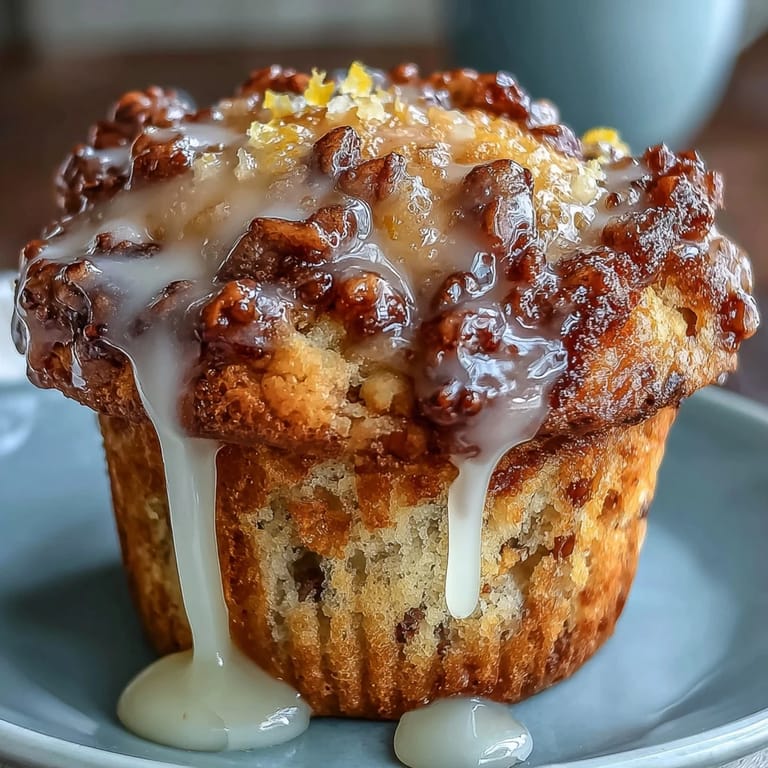
Save These muffins remind me that the simplest recipes, made with attention and care, often become the ones people remember. Make a batch this weekend and taste why.
Questions & Answers
- → What gives these muffins their lemon flavor?
Fresh lemon juice and zest are used to infuse the muffins with bright citrus notes, balancing the sweetness perfectly.
- → Can I substitute the butter in the batter?
Yes, Greek yogurt can replace half the butter for a lighter texture without sacrificing moisture.
- → What role do poppy seeds play in the muffins?
Poppy seeds add a delicate crunch and subtle nuttiness, enhancing the overall texture and flavor profile.
- → How is the glaze made and applied?
The glaze is a simple mixture of powdered sugar and fresh lemon juice, whisked until smooth and drizzled over cooled muffins for a sweet, tangy finish.
- → What’s the best way to store these muffins?
Keep them in an airtight container at room temperature for up to two days to maintain freshness and moisture.